Concrete Slab vs Pier Foundations for Commercial Buildings
People searching for concrete slab or pier foundation installation for commercial buildings are typically seeking expert local contractors who can determine the best foundation type and handle the installation efficiently.
Choosing the right foundation type is a crucial decision for property owners planning commercial buildings, especially when considering concrete slab versus pier foundations. This topic is particularly relevant for those in the area who want to ensure their structures are built on a solid, reliable base that meets the specific needs of their project. Understanding the differences can help property owners make informed choices that influence the durability, cost, and overall performance of their buildings. Local contractors skilled in both concrete slab and pier foundation installation can provide valuable insights and assistance tailored to the unique conditions of the area.
Exploring the advantages and considerations of each foundation type can lead to more successful construction outcomes. Whether evaluating the suitability of a concrete slab or opting for pier foundations, property owners can benefit from the expertise of service providers experienced in these installations. Keep reading to learn more about how each option compares and how local specialists can support the process, helping ensure the foundation chosen aligns with the specific demands of commercial development.
Get Quotes for Concrete Slab Or Pier Foundation Installation
- Concrete slab foundation installation services are ideal for commercial buildings requiring a solid, level base on stable soil, with local contractors ensuring proper soil preparation and concrete pouring. Pier foundation services are suitable when dealing with uneven terrain or areas prone to shifting, with service providers specializing in precise pier placement and load distribution. When choosing between concrete slab and pier foundations for commercial structures, local pros assess soil conditions, building weight, and site accessibility to recommend the most appropriate option. Concrete slab installation is often preferred for its speed and cost-effectiveness, while pier foundations may be better suited for structures needing enhanced stability on challenging sites, with local contractors tailoring their approach accordingly. Both types of foundation services are available from trusted local service providers experienced in commercial construction requirements.
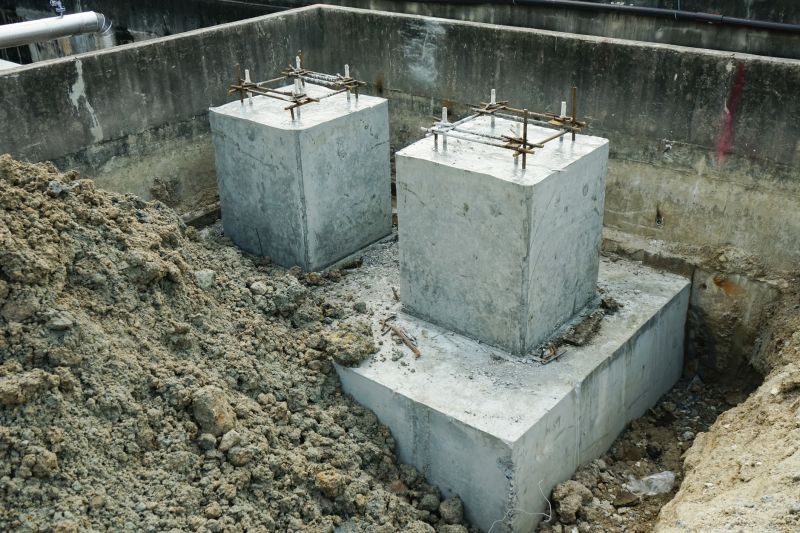
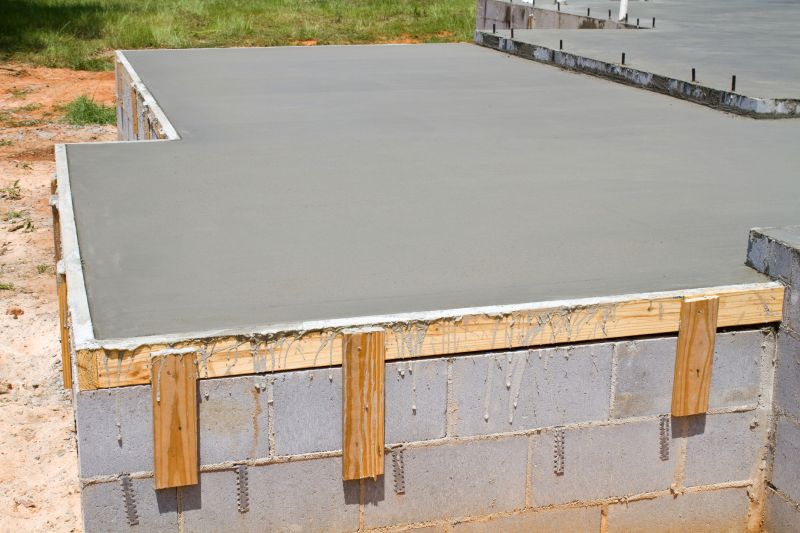
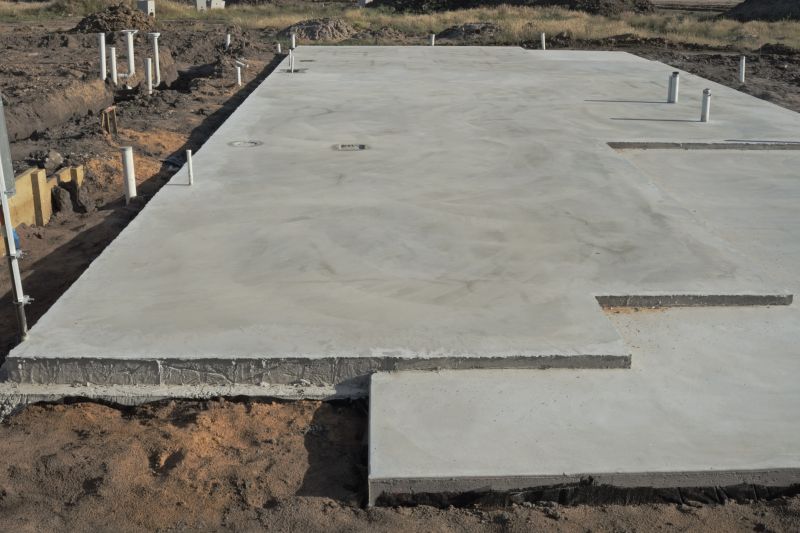
When searching for information on concrete slab vs pier foundations for commercial buildings, most people are looking to understand which type of foundation best suits their project’s needs. This topic often arises during planning phases for new construction or major renovations, where the choice of foundation directly impacts the building’s stability, cost, and long-term performance. Property owners and developers typically want to know the advantages and disadvantages of each foundation type, how they relate to different soil conditions, and what might be most practical for their specific site. It’s also common to explore how local contractors can assist with installation, ensuring the chosen foundation type is properly constructed to support the building’s intended use.
This comparison is closely tied to various project considerations and potential challenges. For example, understanding whether a concrete slab or pier foundation is more suitable can influence the overall design, especially in areas with unstable or expansive soil. Additionally, the decision can affect construction timelines, cost efficiency, and future maintenance. Problems such as uneven settling, cracking, or shifting can be linked to improper foundation choices or installation issues. Property owners often seek guidance on how each foundation type aligns with their building plans, whether they are constructing a retail space, office building, or industrial facility, and how local service providers can help implement the most appropriate solution.
The types of properties that typically come up in discussions about concrete slab vs pier foundations for commercial buildings include small to medium-sized structures like retail stores, warehouses, or office complexes. These projects often require a foundation that can support heavy loads and accommodate specific site conditions. For larger or more complex buildings, the foundation choice may involve additional considerations, such as soil testing and engineering assessments. Local contractors who specialize in foundation installation are familiar with the nuances of each type and can advise on which option aligns best with the property’s size, weight distribution, and future expansion plans. Their expertise helps ensure the foundation provides a stable base for the building’s intended function.
Understanding how concrete slab and pier foundations connect to real projects highlights the importance of choosing the right type for a given property. Concrete slabs are often favored for their straightforward installation and cost-effectiveness, making them suitable for buildings on stable, well-drained soils. Pier foundations, on the other hand, are better suited for properties where soil conditions are less predictable or where the building needs to be elevated above flood zones or uneven terrain. Local service providers who specialize in foundation installation can evaluate the site, recommend the most appropriate foundation type, and handle the construction process. This ensures the foundation will meet the specific demands of the commercial property, supporting its longevity and safety.
Foundation Repair Projects - Skills used in repairing or replacing existing foundations are similar to those needed for installing concrete slabs or pier systems, requiring knowledge of soil conditions and structural support.
Basement Construction - Building basements involves excavation and foundation setting techniques comparable to those used in concrete slab and pier foundation installation for commercial structures.
Retrofitting Foundations - Upgrading or stabilizing existing foundations involves planning and skills similar to new foundation installation, often utilizing comparable tools and assessment methods.
Commercial Parking Lots - Pouring large concrete surfaces for parking areas shares techniques with concrete slab installation, requiring expertise in site preparation and concrete finishing.
Underground Utility Foundations - Installing foundations for utility infrastructure involves similar planning and groundwork as for commercial building foundations, emphasizing soil analysis and support systems.
Site Preparation and Excavation - Proper site prep is essential for both concrete slab and pier foundations, involving excavation, grading, and soil stabilization skills handled by local contractors.
When comparing contractors for concrete slab versus pier foundations for commercial buildings, it is essential to evaluate their experience with similar projects. Service providers with a proven track record in installing these specific types of foundations are more likely to understand the unique challenges and requirements involved. Homeowners should inquire about the number and scope of comparable projects completed, paying attention to the types of commercial structures they have worked on and the environments in which they have operated. This experience can help ensure that the chosen contractor is familiar with local soil conditions, building codes, and construction practices relevant to both concrete slab and pier foundation installations.
Clear, written expectations are a critical aspect of selecting a reliable contractor. Homeowners should seek detailed proposals that outline the scope of work, materials, timelines, and any specific considerations for the foundation type being installed. Well-defined documentation helps prevent misunderstandings and provides a basis for evaluating whether a service provider’s approach aligns with project needs. It is also beneficial to review references that can speak to the contractor’s ability to deliver quality work on similar projects. Reputable references offer insights into the contractor’s professionalism, adherence to schedules, and overall project management, contributing to a more informed decision-making process.
Good communication plays a vital role in the success of foundation installation projects. Homeowners should look for service providers who are transparent, responsive, and willing to answer questions thoroughly. Open lines of communication facilitate the clarification of project details, expectations, and any potential issues that may arise during the work. Establishing a contractor who communicates clearly and consistently can help ensure that the project stays on track and that any concerns are addressed promptly. When comparing local contractors, prioritizing those with a reputation for effective communication can lead to a smoother, more predictable installation process for concrete slab or pier foundations.
Get a Quote for Concrete Slab Or Pier Foundation Installation
Property owners often search for concrete slab vs pier foundations for commercial buildings when they are planning practical projects around their homes and businesses. Local pros provide Concrete Slab or Pier Foundation Installation services for everyday jobs and straightforward project options.
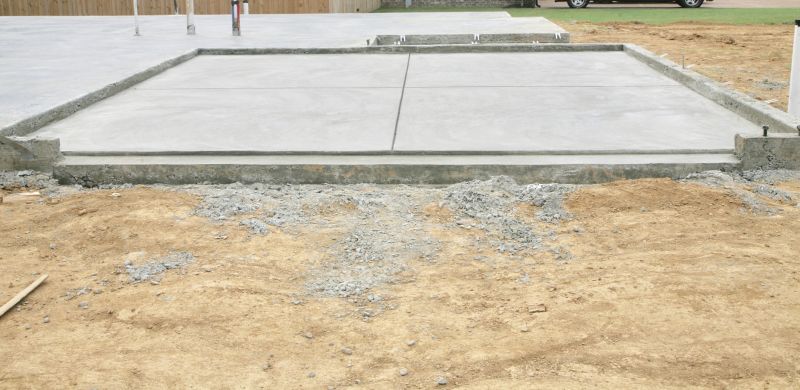
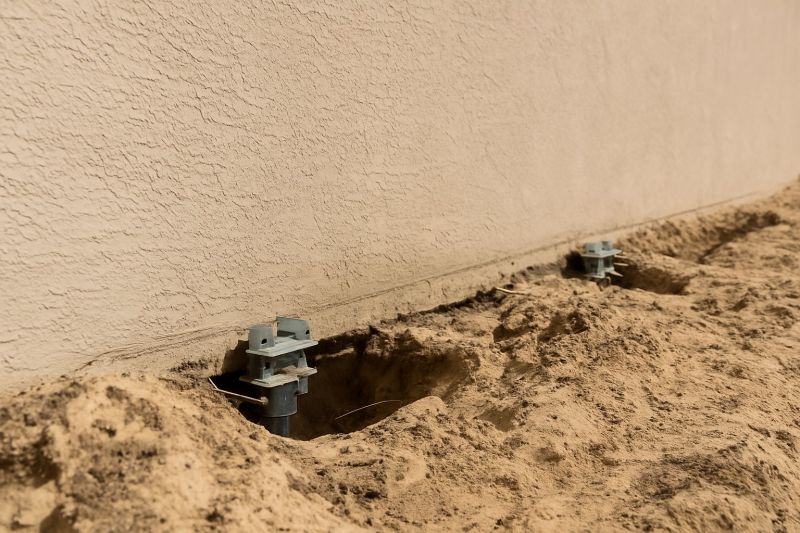
Understanding the differences between concrete slab and pier foundations is a common concern for property owners planning new commercial buildings or renovations. A concrete slab foundation involves pouring a large, solid layer of concrete directly on the ground, offering a straightforward and quick installation process. It’s often chosen for its cost-effectiveness and suitability for buildings on stable soil, making it a popular choice for many small to medium-sized projects. On the other hand, pier foundations elevate the structure above the ground by supporting it on a series of piers or columns, which can be ideal for uneven terrain or areas prone to moisture issues. Local contractors who specialize in foundation installation can help evaluate site conditions and recommend the best approach based on the specific needs of a property.
Property owners researching this topic may be considering factors like soil stability, building size, or future expansion plans. They might want to understand which foundation type offers better durability or easier access for utilities and maintenance. Local service providers experienced in concrete slab and pier foundation installation can provide guidance tailored to local conditions, ensuring the chosen foundation supports the long-term stability of the building. Whether opting for a simple concrete slab or a more complex pier system, connecting with knowledgeable contractors can help make informed decisions and ensure the foundation work meets the project’s requirements.
Get a Quote for Concrete Slab Or Pier Foundation Installation
What are the main differences between concrete slab and pier foundations for commercial buildings? Concrete slab foundations involve pouring a single, solid concrete surface directly on the ground, while pier foundations use vertical supports or piers to elevate the structure. Local contractors can assess site conditions to recommend the most suitable option based on soil type, building design, and load requirements.
How does soil condition influence the choice between a concrete slab and pier foundation? Soil stability and drainage affect foundation selection; unstable or expansive soils may require piers to provide better support, whereas stable soils often allow for concrete slabs. Local service providers can evaluate soil conditions to determine the best foundation type for a commercial project.
Are concrete slab foundations better for certain types of commercial buildings? Yes, concrete slabs are often preferred for buildings with simple layouts or where a level, continuous surface is needed, such as warehouses or retail spaces. Local pros can help identify if a slab foundation suits specific building requirements or if a pier system is more appropriate.
What are the advantages of using pier foundations over concrete slabs for commercial structures? Pier foundations can provide better support on uneven or challenging terrains and allow for easier access to utilities beneath the building. Local contractors can advise on whether piers are advantageous based on site conditions and building design.
Can both concrete slab and pier foundations be installed on the same site? Yes, hybrid foundation systems are sometimes used, combining slabs and piers to optimize support and stability. Service providers can determine if a mixed approach is suitable for a particular commercial building project.
Assessing soil conditions - Understanding the soil type at a commercial site can help property owners decide whether a concrete slab or pier foundation is more suitable, with local contractors providing expert evaluations.
Considering building load requirements - Property owners can evaluate the weight and design of their building to determine which foundation type offers better support, with local service providers offering guidance based on structural needs.
Evaluating future expansion plans - Planning for potential building modifications or additions can influence foundation choices, as local pros can recommend options that accommodate future development.
Planning for site accessibility - Ensuring the foundation installation aligns with site access and logistical considerations helps property owners work with local contractors to choose the most practical foundation type.
If you are thinking about concrete slab vs pier foundations for commercial buildings for a property, this guide is meant to help you understand this topic, the typical project types, and how different options might fit your plans.
When you are ready, you can use the quote form on this page to share a few details about your project. From there, local pros can review the basics and follow up with options that match what you have in mind.
Get a Quote for Concrete Slab Or Pier Foundation Installation